On a datasheet, “IP68” takes four characters — and yet it decides how long a sensor will survive in a cable chamber that fills up with every storm. Here is how to read the rating, and what it does not tell you.
Two digits, two different protections
The IP rating (Ingress Protection), defined by standard IEC 60529, is always read the same way: the first digit covers solid objects, the second covers liquids.
| Rating | Dust | Water |
|---|---|---|
| IP54 | Protected, limited ingress | Splashing |
| IP65 | Dust-tight | Water jets from any direction |
| IP67 | Dust-tight | Temporary immersion (1 m, 30 min) |
| IP68 | Dust-tight | Prolonged immersion, conditions set by the manufacturer |
Two points are often missed:
- A higher rating does not always include the one below. IP67 guarantees temporary immersion, IP68 prolonged immersion — but neither formally guarantees the pressurised jet resistance of IP65. In practice, serious industrial enclosures cover both, but the distinction exists.
- IP68 is the only rating whose conditions are set by the manufacturer. Depth, duration, water temperature: these are test parameters, not an absolute value.
What the IP rating does not cover
This is where most in-service failures actually happen. The IP rating says nothing about:
- UV exposure: untreated polycarbonate yellows and turns brittle after a few summers;
- mechanical impact: that is the IK rating, an entirely separate scale;
- corrosion: a wastewater environment, loaded with hydrogen sulphide, attacks metals and seals;
- entry points: a loose cable gland, a pinched probe cable, a connector left open. That is almost always how water gets in.
This is why the enclosures in the range are described as “IP68, UV-resistant polycarbonate”: sealing is not enough if the material ages badly outdoors.
IP65 or IP68: how to choose
The rule fits in one question: can the device end up underwater, even for an hour, even once a year?
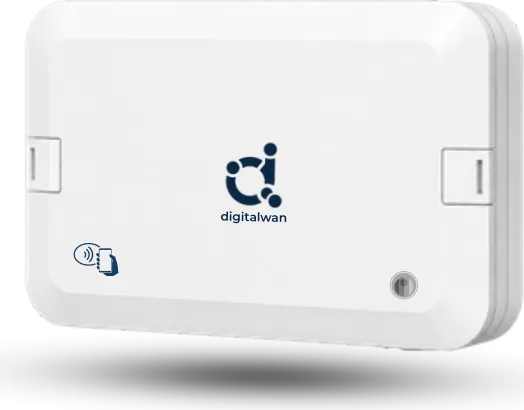
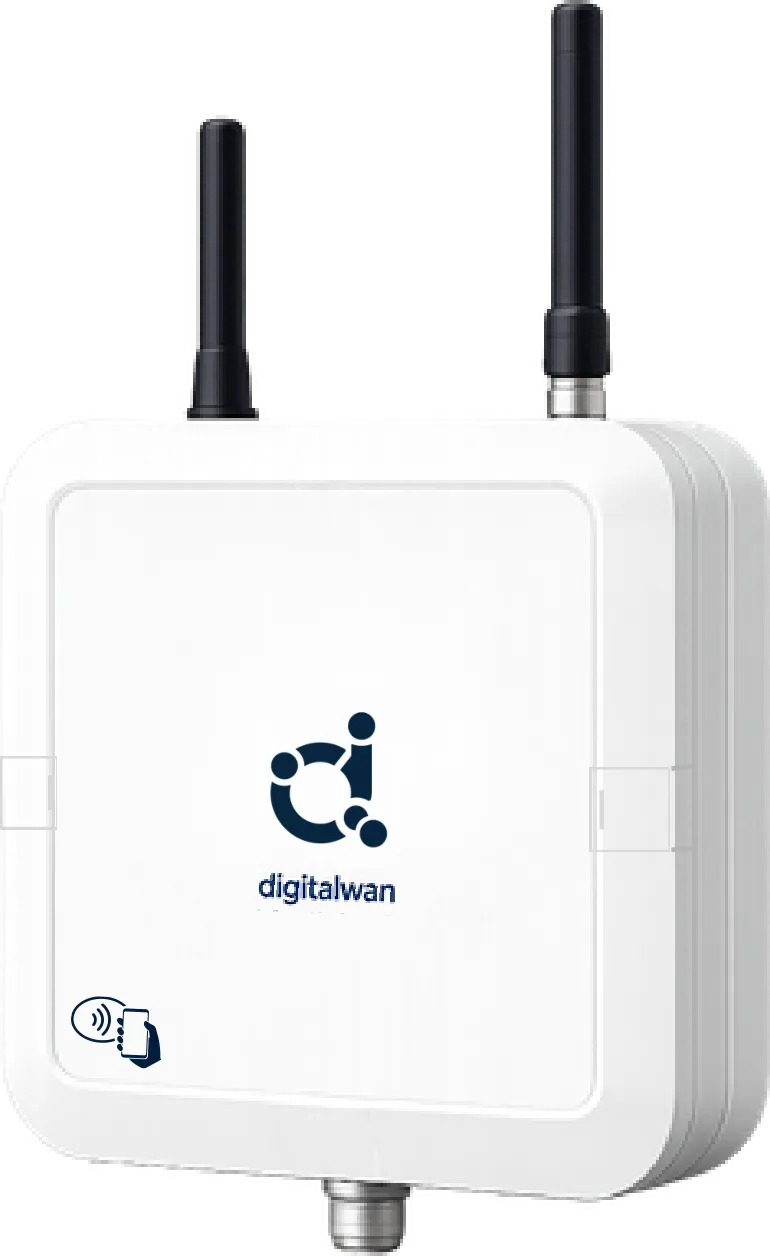
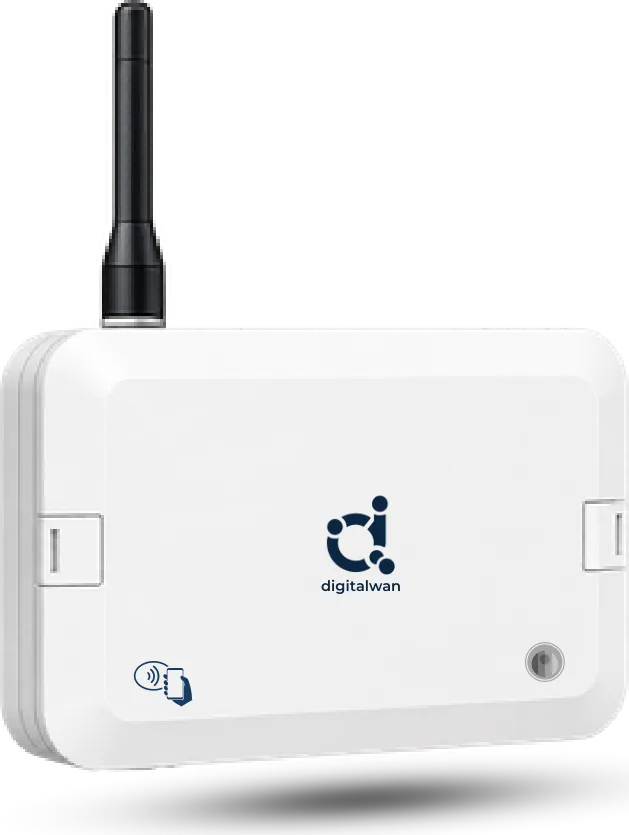
- Yes — cable chamber, manhole, buried substation, unsheltered outdoor location: IP68. That is the case for the MSU-SD7, MSU-MD7, MSU-XD7 and MSU-LD7 units and the MSU-G7 and MSU-SG7 gateways.
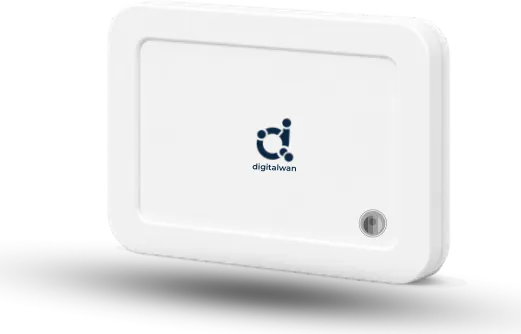
- No — technical room, indoor cabinet, suspended ceiling, inside an already sealed enclosure: IP65 is enough, and allows a far more compact format. That is the role of the SU-CD7, an ultra-flat 15 mm sensor explicitly intended for indoor or sheltered environments.
Specifying IP68 everywhere looks cautious, but costs in size and price. Specifying IP65 in a wet structure is scheduling a site visit.
Three habits at installation
- Tighten the cable gland to torque, with a cable of the right diameter. A gland designed for a 5 mm cable will never seal on a 3 mm one.
- Plug what you do not use. A probe entry left open cancels the rating of the whole enclosure.
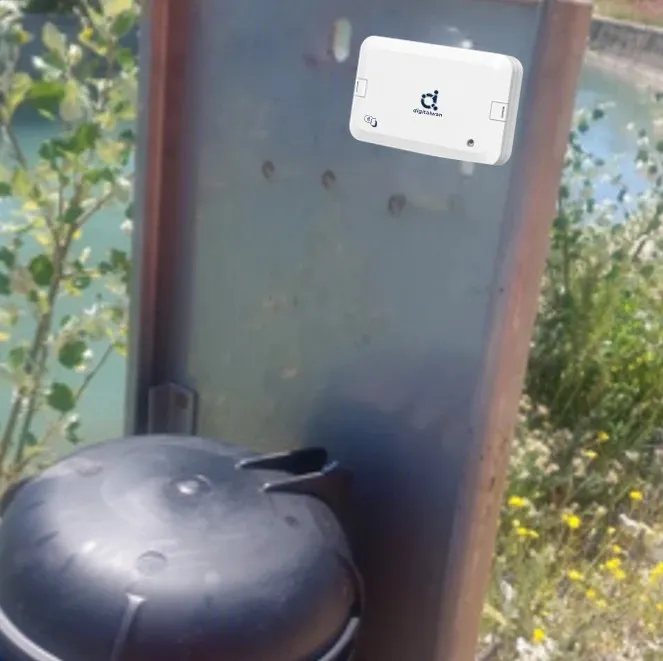
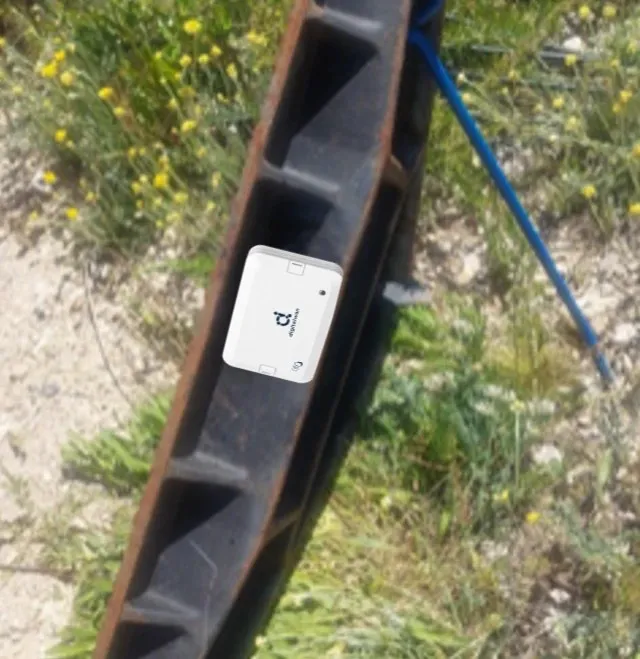
- Place the sensor out of the run-off path where possible: under a cover rather than facing the water inlet, above the known high-water mark rather than at the bottom of the structure.
An IP rating is a design guarantee, not blanket insurance. Installation is what decides.
Frequently asked questions
What does IP68 mean exactly?
The 6 means the enclosure is completely dust-tight. The 8 means it withstands prolonged immersion in water, under depth and duration conditions defined by the manufacturer. The reference standard is IEC 60529.
What is the difference between IP65 and IP68?
Both are dust-tight. IP65 protects against water jets from any direction but not against immersion: it suits indoor or sheltered environments. IP68 withstands prolonged immersion and suits outdoor use, including a chamber liable to flood.
Can an IP68 sensor stay underwater permanently?
The IP68 rating is defined by the manufacturer in terms of depth and duration: it guarantees resistance to prolonged immersion, not permanent operation under several metres of water. For a structure that is regularly flooded, say so at the design stage.