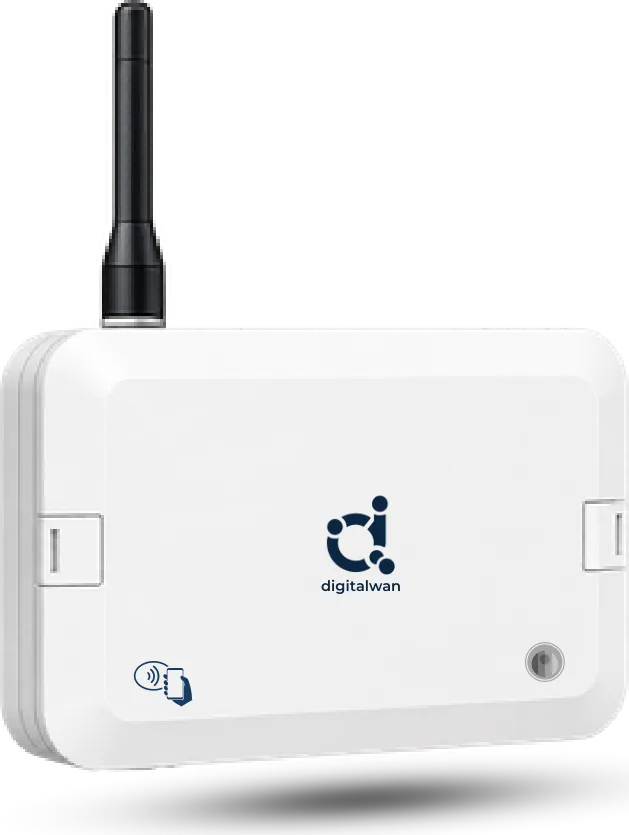
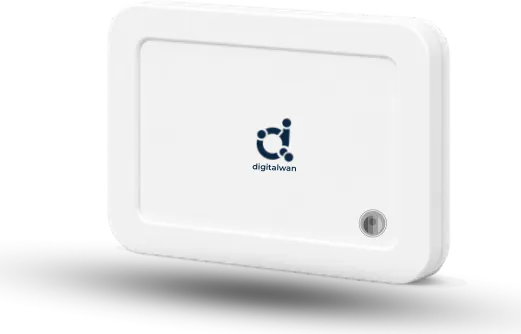
Up to 10 years of battery life
Low-power design: fewer site visits and lower operating costs.

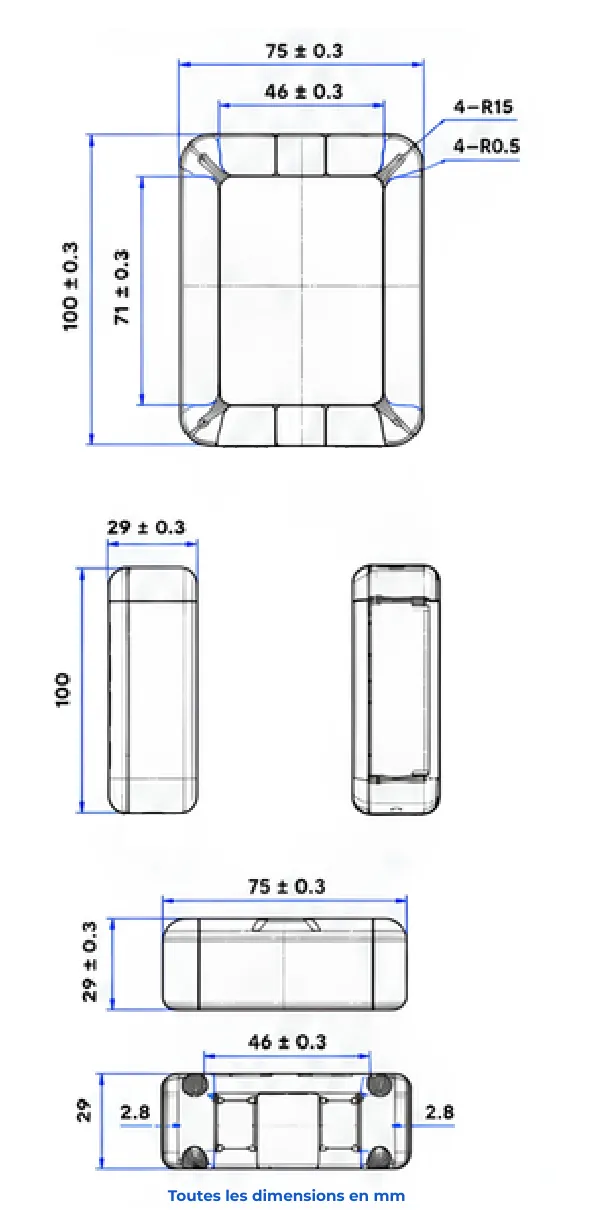
The MSU-SD7 is the slave version of the MSU-MD7: it comes with the same configuration as standard, in a compact 100 × 75 × 29 mm IP68 enclosure, but has no LTE-M cellular section. It communicates directly with the MSU-MD7 master unit over LoRa or with the gateways over LoRaWAN, and runs on battery for up to 10 years.
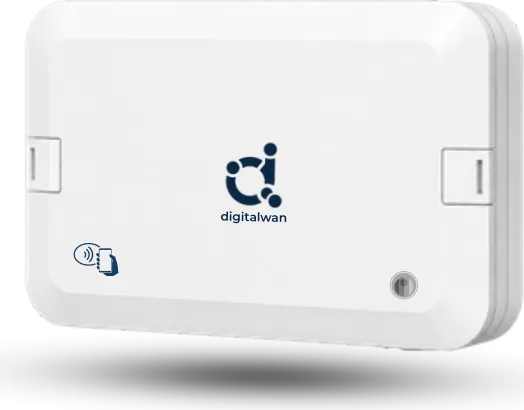
Highlights
Low-power design: fewer site visits and lower operating costs.
A single device monitors several parameters: temperature, light, movement and radar.
Networked with an MSU-MD7 master unit over LoRa, or directly with the gateways over LoRaWAN.
An IP68 UV-resistant polycarbonate enclosure, built for the most demanding industrial environments.
Description
Ideal for covering a site in detail: each MSU-MD7 master unit drives up to 5 slaves. The MSU-SD7 can also communicate directly with the MSU-SG7 and MSU-G7 gateways over LoRaWAN.
In telecom chambers it goes inside a fibre splice closure or is strapped around it with two cable ties. Like the master unit, it has a cable gland for an external probe and two channels configurable as a probe or a dry contact.
| Enclosure | IP68, UV-resistant polycarbonate |
|---|---|
| Impact protection | IK08IK rating |
| Dimensions | 100 × 75 × 29 mm |
| Weight | 110 gdepending on the configuration |
| Mounting | Wall, pole or cable-tie mounted |
| Sensors | Temperature, light, accelerometer (movement, inclination), 60 GHz radar |
| External inputs | 2 channels: wired probe or dry contact |
| Communication | LoRa, LoRaWAN, NFC |
| Range | 5 to 10 kmdepending on the environment |
| Power supply | 3.6 V lithium battery |
| Battery life | Up to 10 years7 to 10 years depending on the configuration |
| Cable gland | Reserved for an external probe |
| Frequencies | EU868, US915, AS923 |
| Certifications | CE, RoHS |
| Probe protocols | I2C, PSI |
| Design | Developed in France |
Specifications are provided for guidance and may vary depending on the configuration.
MSU-SD7 datasheetPDF, 1.0 MBFrequently asked questions
Answers to the most common questions before choosing this device.
Not necessarily. It transmits over LoRa to an MSU-MD7 master unit, which handles up to 5 slaves, or directly to the MSU-SG7 and MSU-G7 gateways over LoRaWAN. It has no LTE-M cellular section.
The MSU-SD7 is an IP68 enclosure with a cable gland for an external probe, suitable for outdoor use. The SU-CD7 is an ultra-flat IP65 model, without an external probe, intended for indoor or sheltered environments.
It is installed inside the closure or strapped around it with two cable ties.
Up to 10 years on a 3.6 V lithium battery, depending on the configuration.
Read more
60 GHz radar, ultrasonic or pressure probe: how to measure the level of a tank, reservoir or container remotely, and how to avoid false readings.
3 minHow does a battery-powered IoT sensor run for ten years? The role of the lithium cell, transmission frequency, network choice and temperature, explained simply.
3 minWhat does IP68 actually mean on an industrial sensor? A breakdown of the two digits, the common pitfalls, and how to choose between IP65 and IP68 on site.
3 minRange
Tell us your quantities and your installation context: we will come back to you with a tailored proposal.